HOW RUNNING A THEATER LIGHTBOARD SAVED OUR GAME’S GRAPHICS
I was having a hard time getting the lighting right for our game. Something wasn't clicking. And I was not satisfied at all with the look.
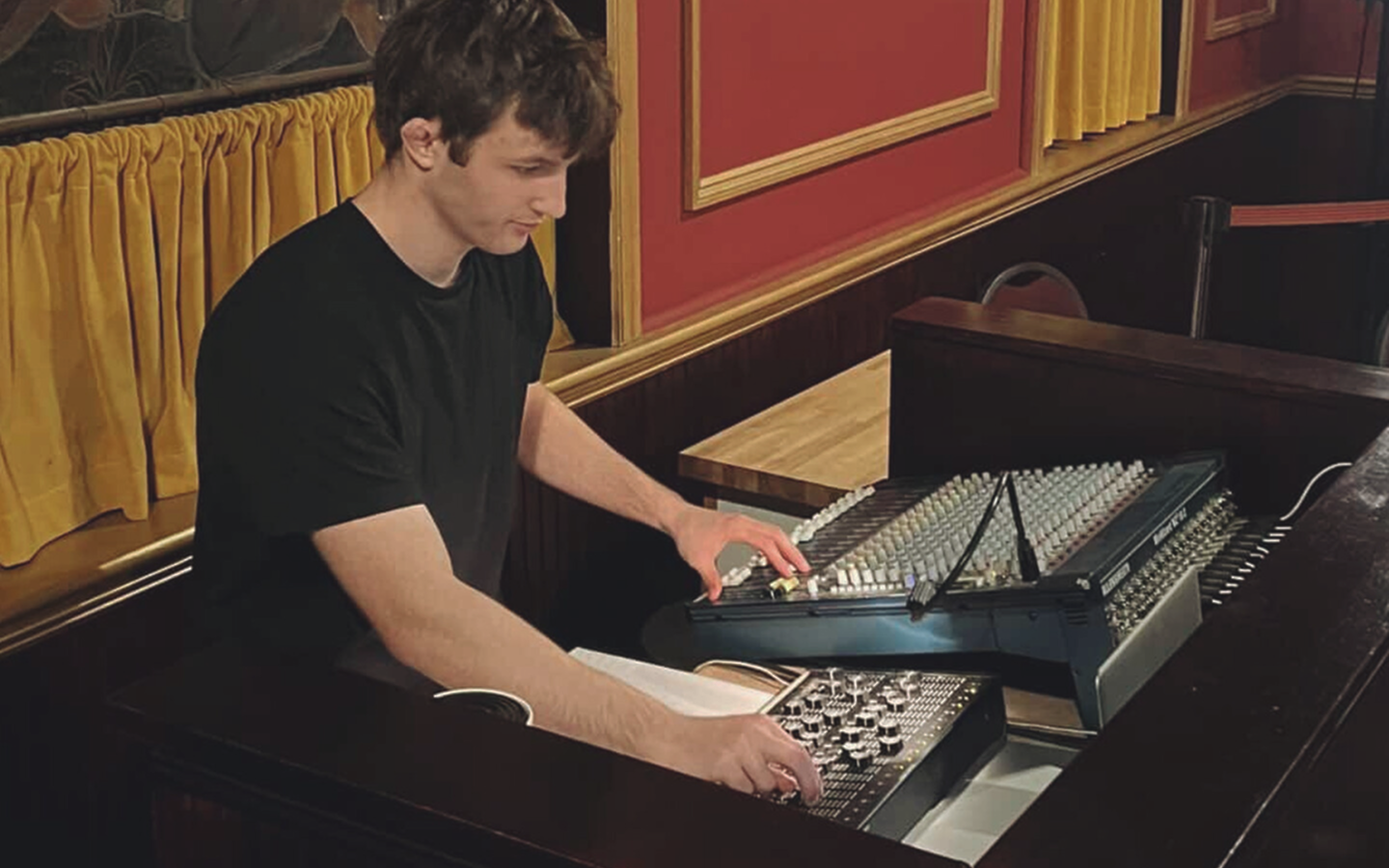
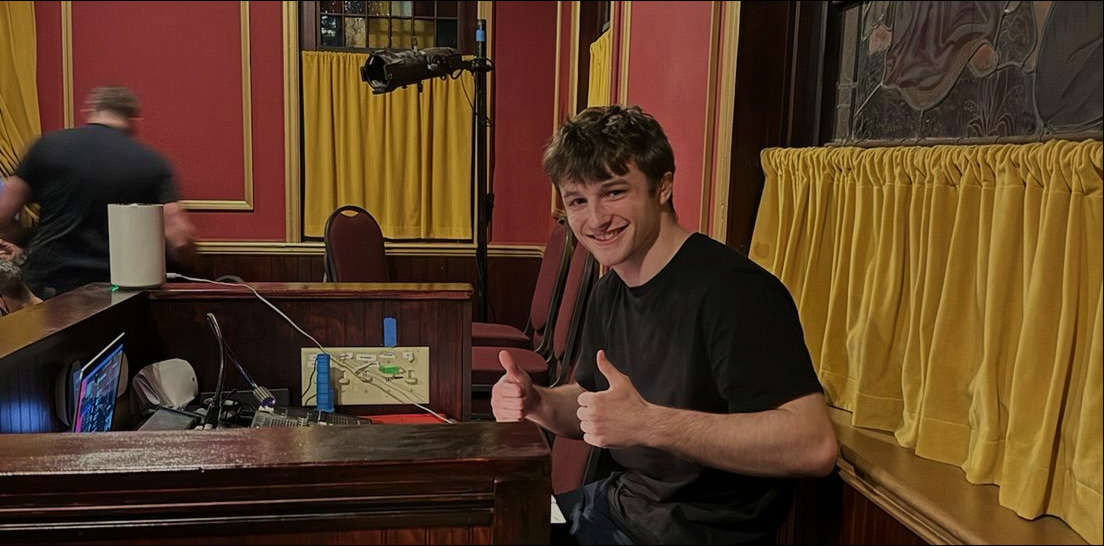
But, a few weeks back I was presented with an amazing learning opportunity to run a theater lightboard and it has helped me elevate our game’s lighting in a big way. So I want to share with you some of the techniques and theories I picked up.
A lot of the tricks I learned were thanks to lighting technician Pete as he taught me how to use the lightboard. So shoutout Pete.
TIMING IS EVERYTHING
Using lights at the right time is key. You can use calculated blackouts to reset an audience's brain. You can flash or flicker lights to snag attention. Or even use long fades to slow things down. If changing lights, timing is critical, because the speed of change can manipulate perceived tempo. And in our case, that will be game pace.
LIGHT CONTROLS MOOD
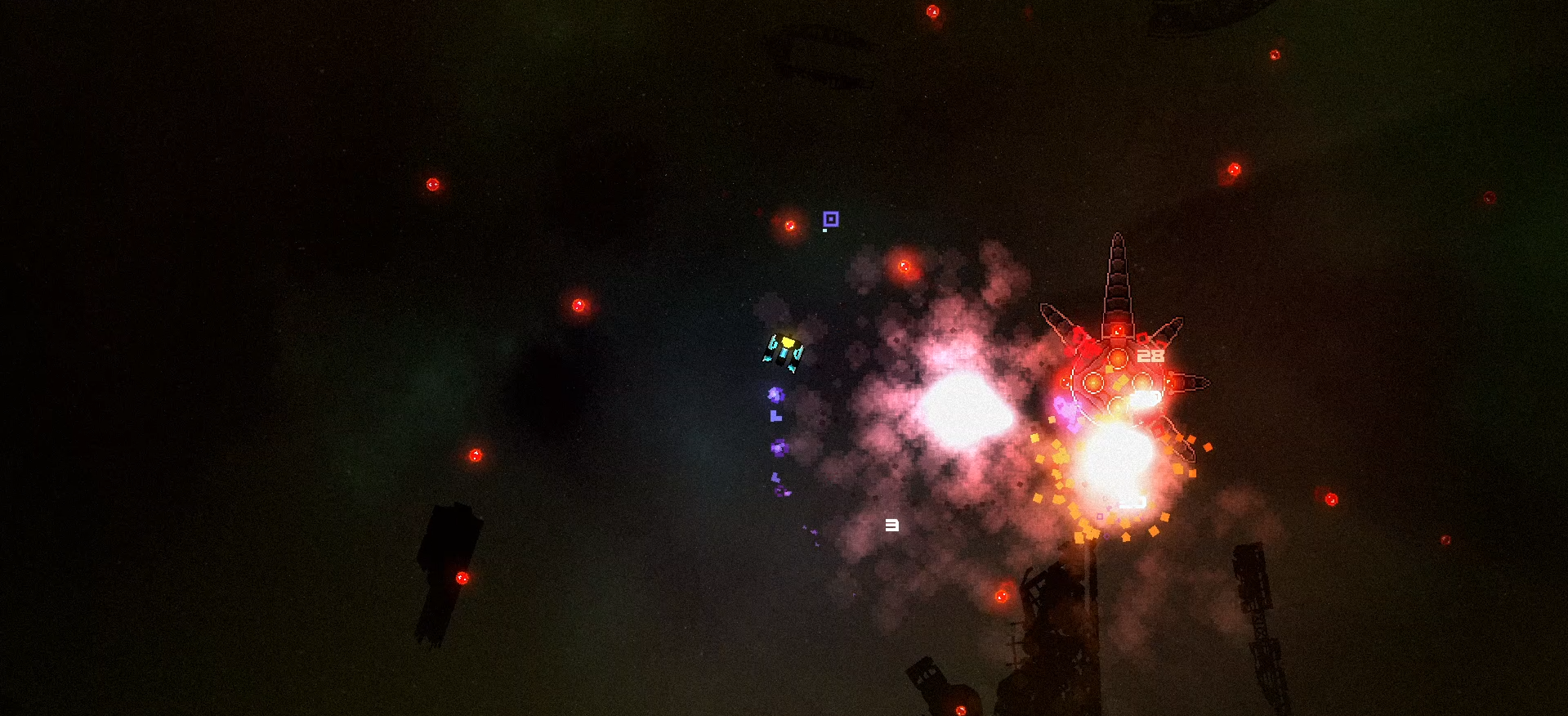
For this particular play the director wanted me to use blues for the sad foreshadowing scenes. This choice was fantastic because it amplified the dread, and made a hard distinction between the rest of the play which had a bright lighting configuration.
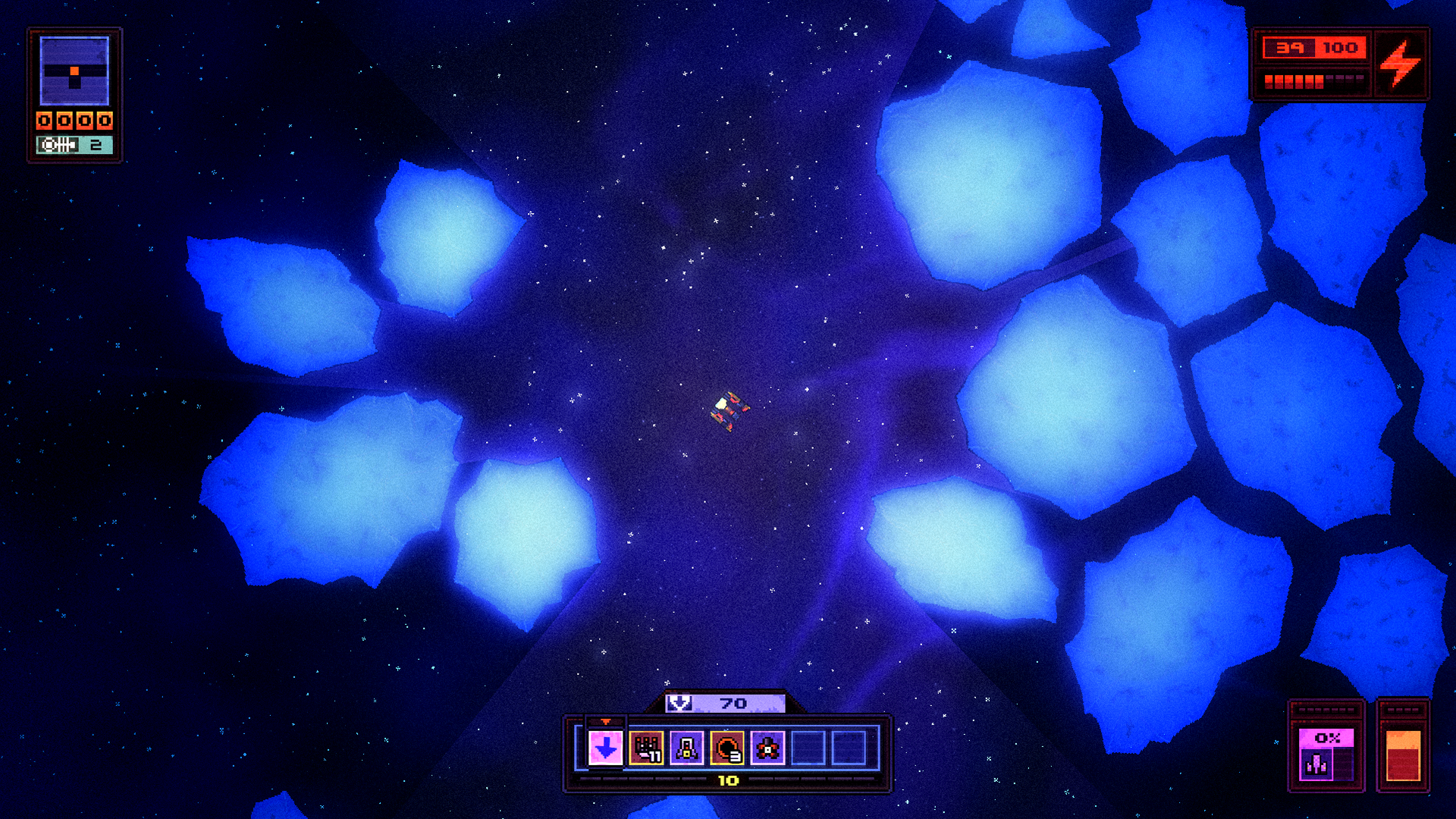
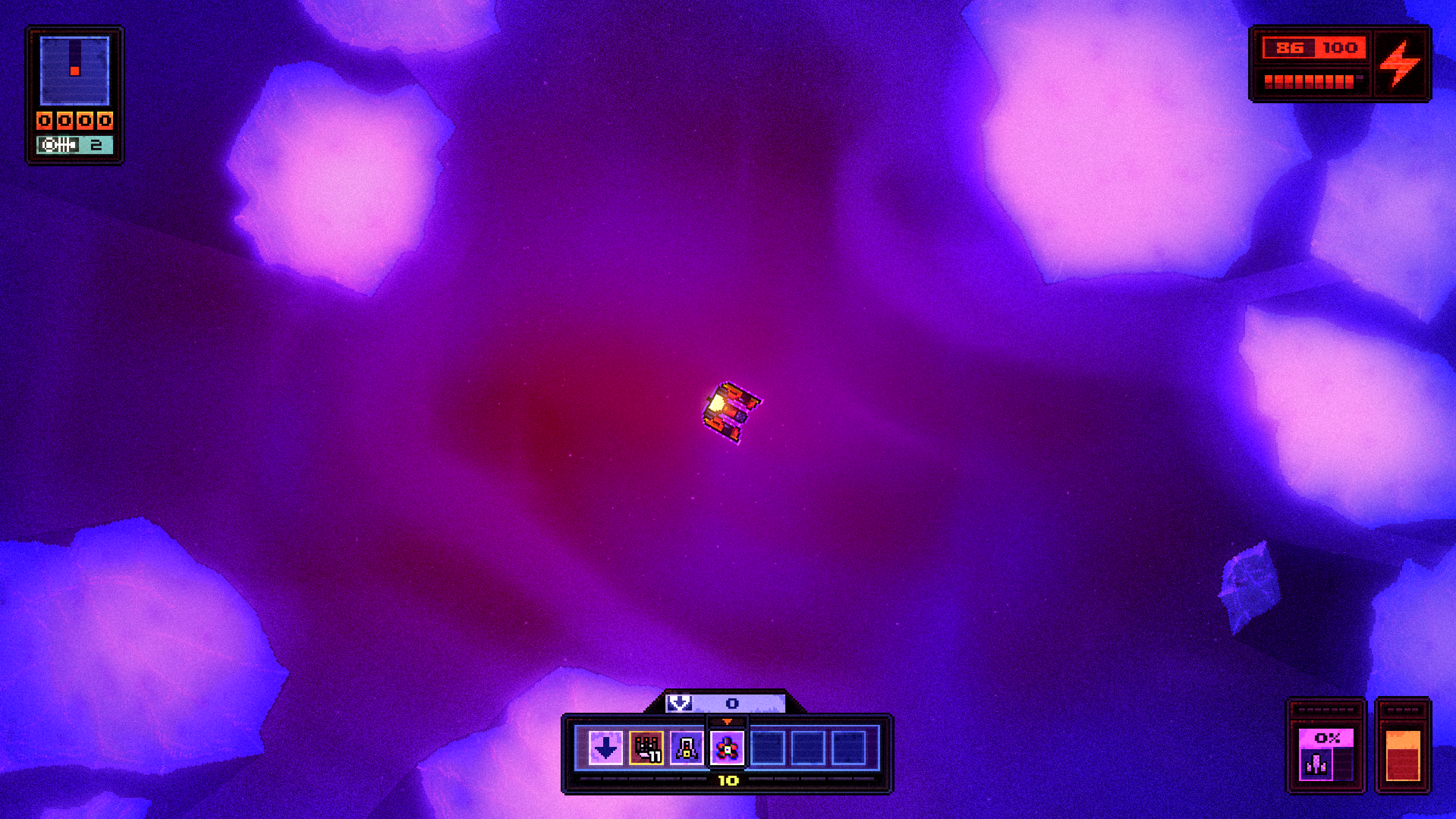
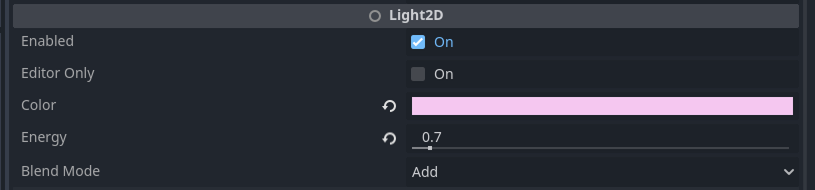
One thing I changed is our player lights (the lights that rest on the player sprite). It’s now a very white pink, and a very white yellow which Pete told me is used in theatre for daytime.
LIGHTS SHOULD BE USED TO FOCUS AN AUDIENCE’S ATTENTION
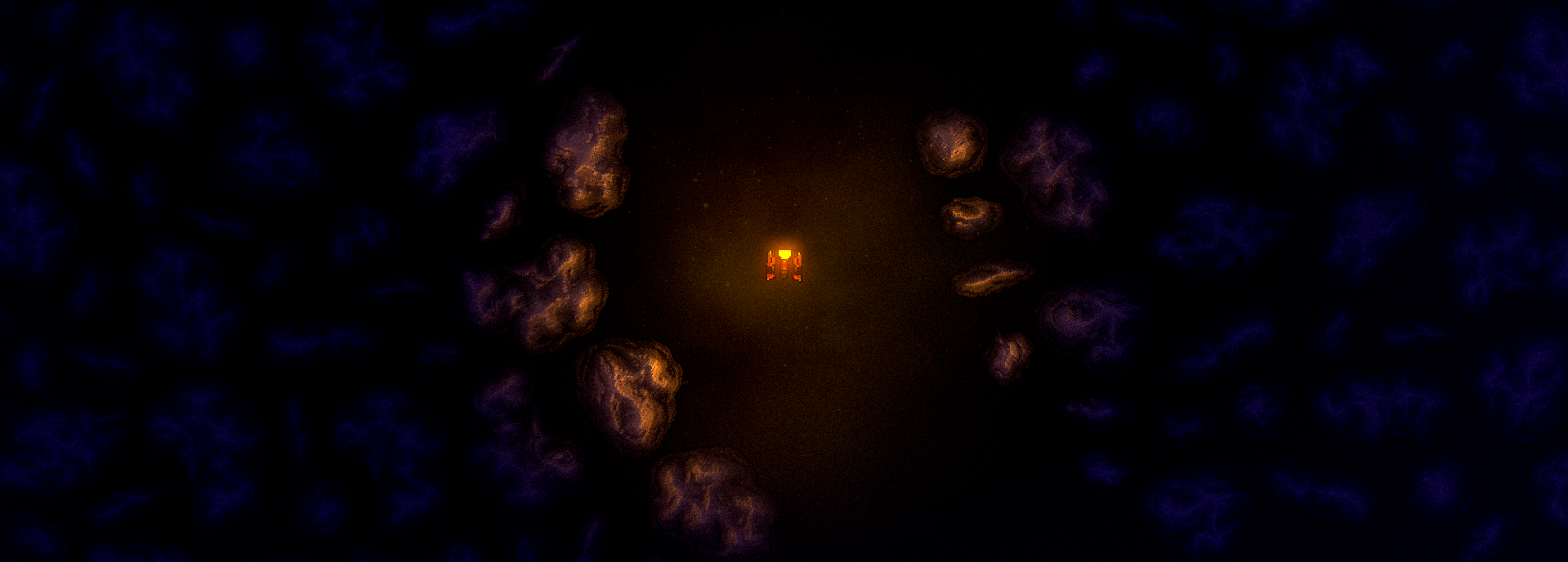
A lot of sci-fi devs will disagree, but I now think that backgrounds can’t be the star of the show. It’s tempting to throw in a beautiful nebula as a backdrop but what theatre has taught me is that the actors, or in Devoid’s case, the shuttles, must be the center of attention. Especially in an action game. Otherwise you are failing to direct the audience's attention to what is actually important. Which most of the time will be gameplay. That said I’m sure there could be cases where the background needs attention especially if it ties in with the story, or setting of the game.
In short you want to cut the noise and dull anything that is not important to players.
GELS
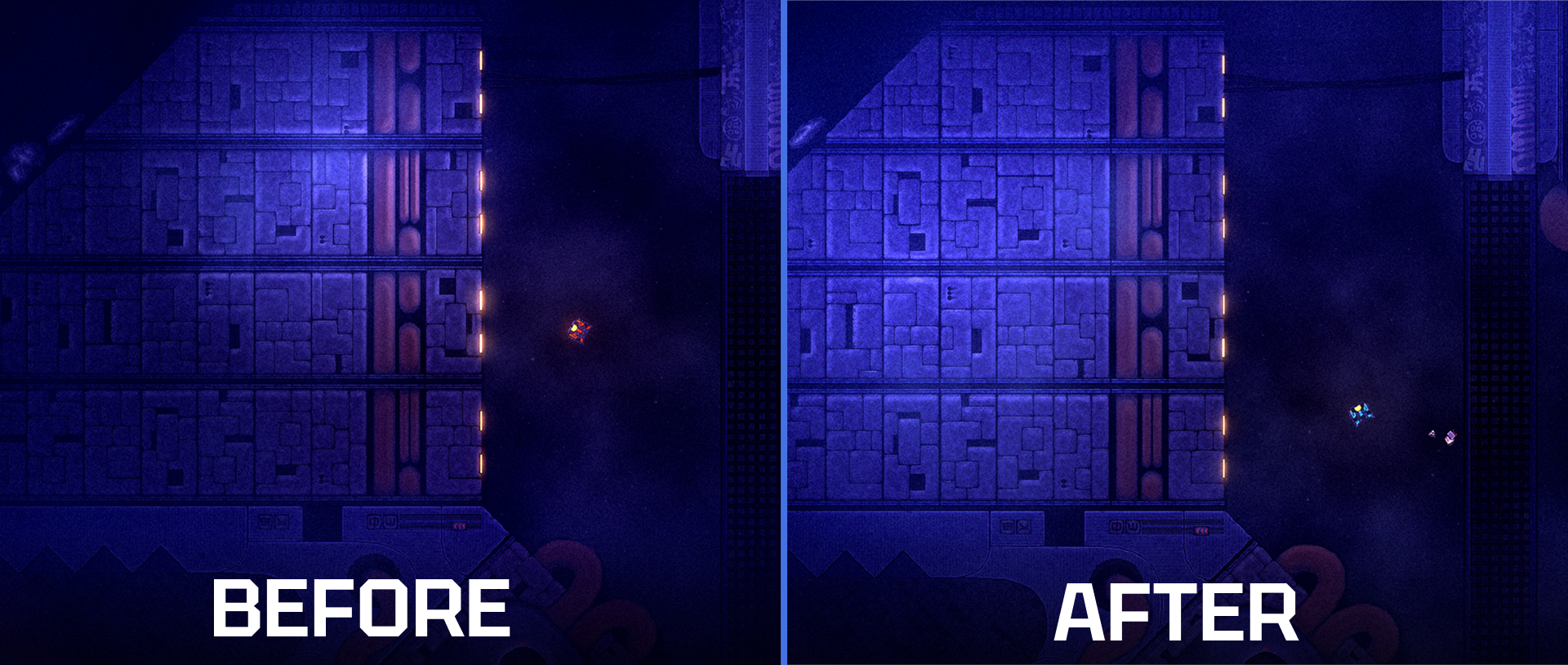
In theatre you use gels to change the color of a light fixture. There is also a special kind of gel called a diffuse that makes lights softer and more widespread. This is very similar to adjusting a gradient texture you use when building a point light.
Now I took this and changed some of my light textures to be softer like a diffuse light. This let me achieve a full stage fill. I fixed the broodmother's lair using this technique. I’ll drop a before and after. Before I had hard lights, and you can see where they are located. With the diffuse I have a much softer fill which is much more natural looking.
HIGHS & LOWS
Somewhat related to lighting, but in theatre I've noticed great story plays with people’s emotions. Highs and lows are extremely effective to drive emotion. The play I was a part of went from happy to sad quite a bit. People were in tears. I’d often find myself feeling emotional too while working the lightboard during the show. The acting and directing was fantastic which helped drive that. But I think this concept of a rollercoaster can be applied to gameplay pace, music, story and even visuals to build impactful experiences.
So that's what I learned. Big thanks to Mike Ford, Sarah Diamond, and Steph Moffett-Hynds for letting me be a part of the Bridge's first show. I look forward to what's to come and I hope my experience was helpful to fellow devs, creators, and gamers.
Until next time,
-Charles Dill